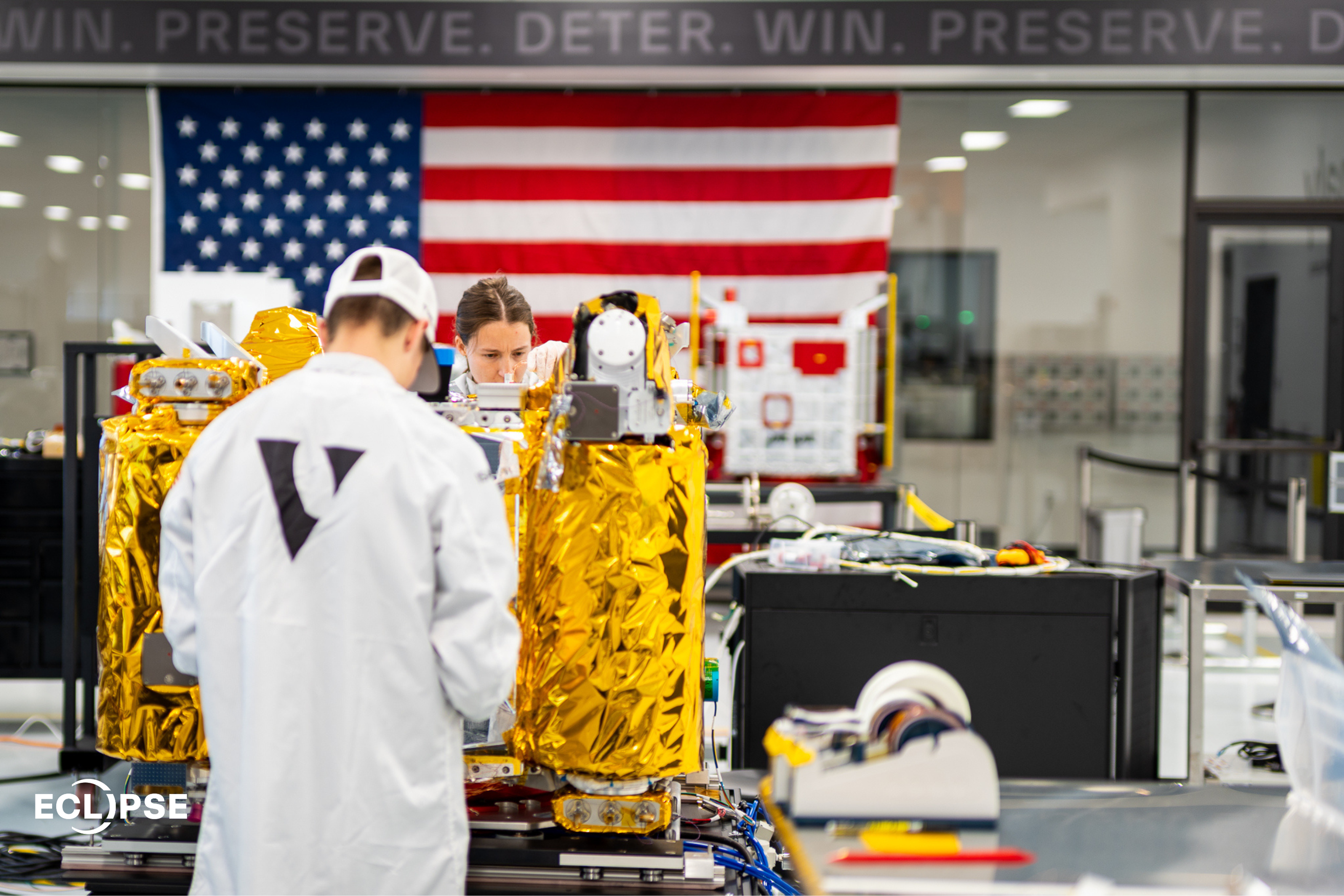
Space superiority is no longer an abstract concept. Now that it’s widely understood that the once-benign domain is becoming one of the most contested environments of our generation, the modern space race is officially in high gear: Achieving space superiority is now one of the most urgent directives of the United States.
As U.S. power has grown, so has reliance on the in-orbit systems where the infrastructure underpinning critical systems like satellite-based navigation, observation, and communications (including those essential to national security). Now, these systems are a prime target for adversaries who are actively developing capabilities to disrupt, degrade, or destroy them and erode our strategic advantage.
Preserving that advantage—and the way of life it supports—now requires a fundamental shift: rapidly advancing the technologies, operational models, and mindset needed to operate and defend in a contested space domain.The team at True Anomaly, which is headed by U.S. Space Force and Air Force veterans, has been at the forefront of this movement since before they even started the company. Having spent the prior decade-plus developing the foundational doctrines and tactics for space engagement, co-founders’ Even Rogers and Kyle Zakrzewski launched True Anomaly in 2022 with both an unparalleled understanding of the problem and a cohesive strategy for how to solve it.
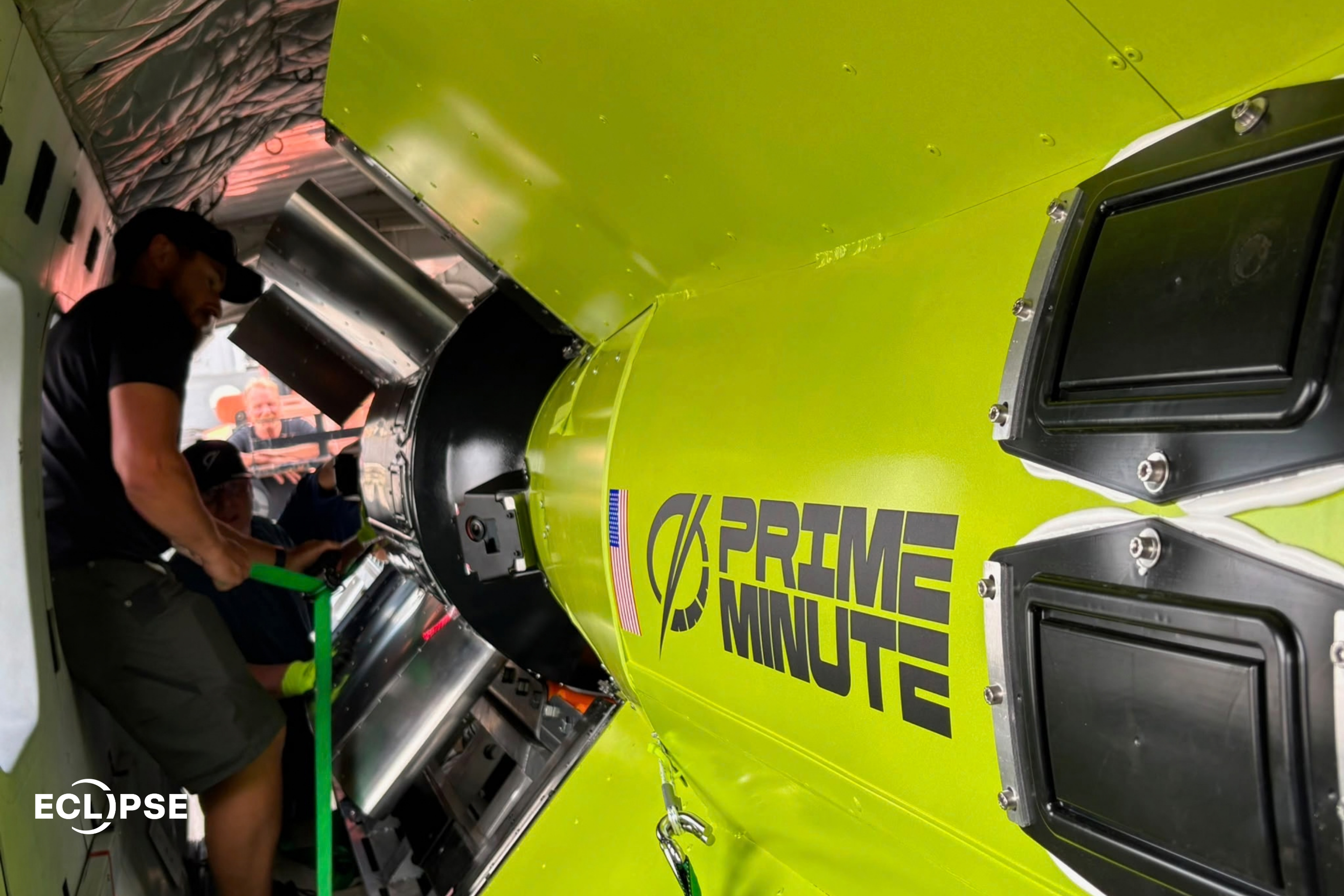
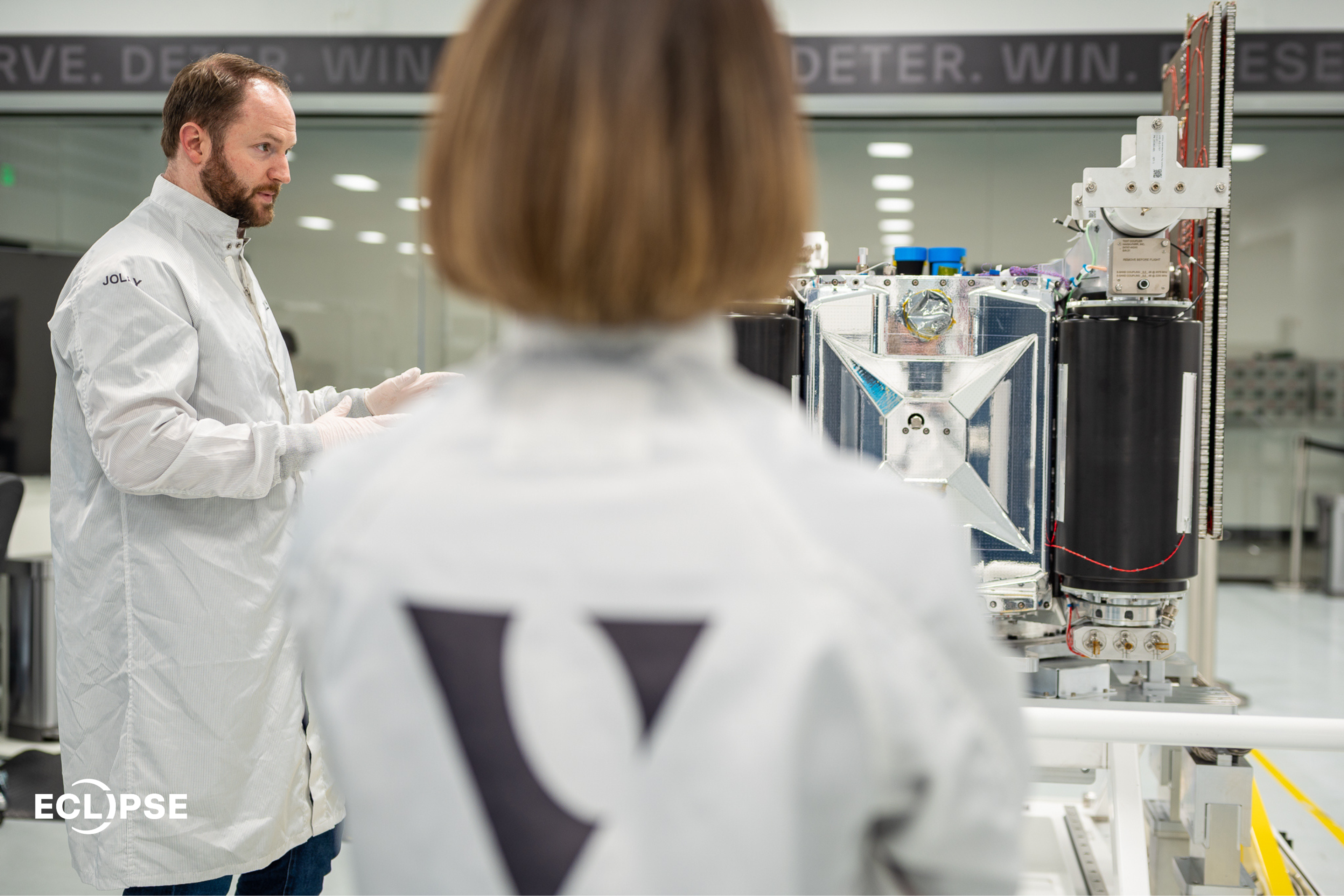
That combination enabled them to move faster and more deliberately than others: Since launching, True Anomaly built and launched Jackal — an autonomous orbital vehicle for monitoring threats across any environment which is powered by Mosaic, its AI-driven, full-stack mission software. The company has flown two test flights, is gearing up for a third, and will be one of two participants in the Space Force’s Victus Haze demonstration. As an endorsement of True Anomalys ability to reliably execute on mission-critical commercial projects, the company was recently selected as a prime contractor for two of the U.S. Space Force’s critical programs: The to support the $1.8B Geosynchronous Reconnaissance Constellation (RG-XX), and , extending its platform from observation and coordination into active mission execution in one of the most consequential areas of national security.
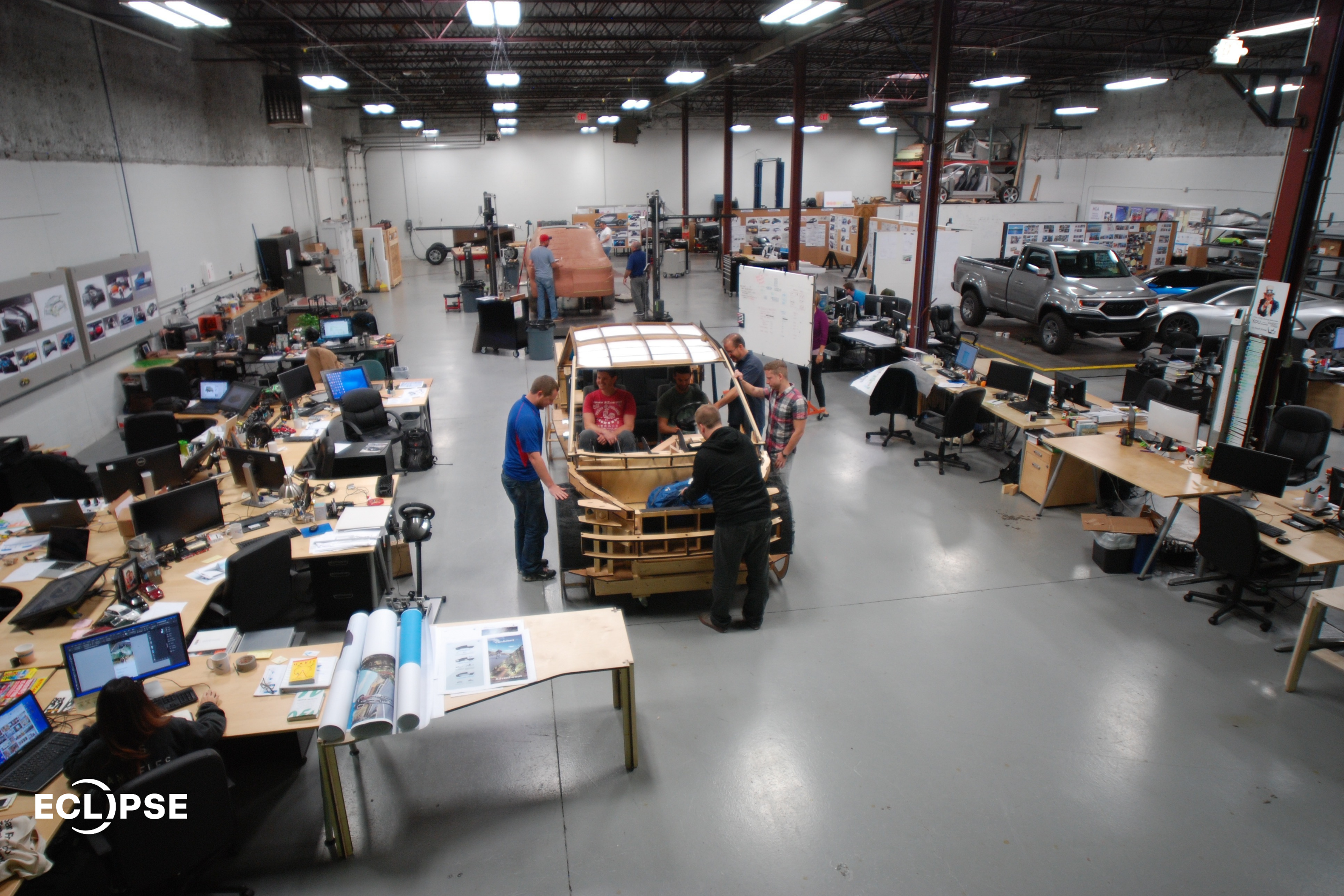
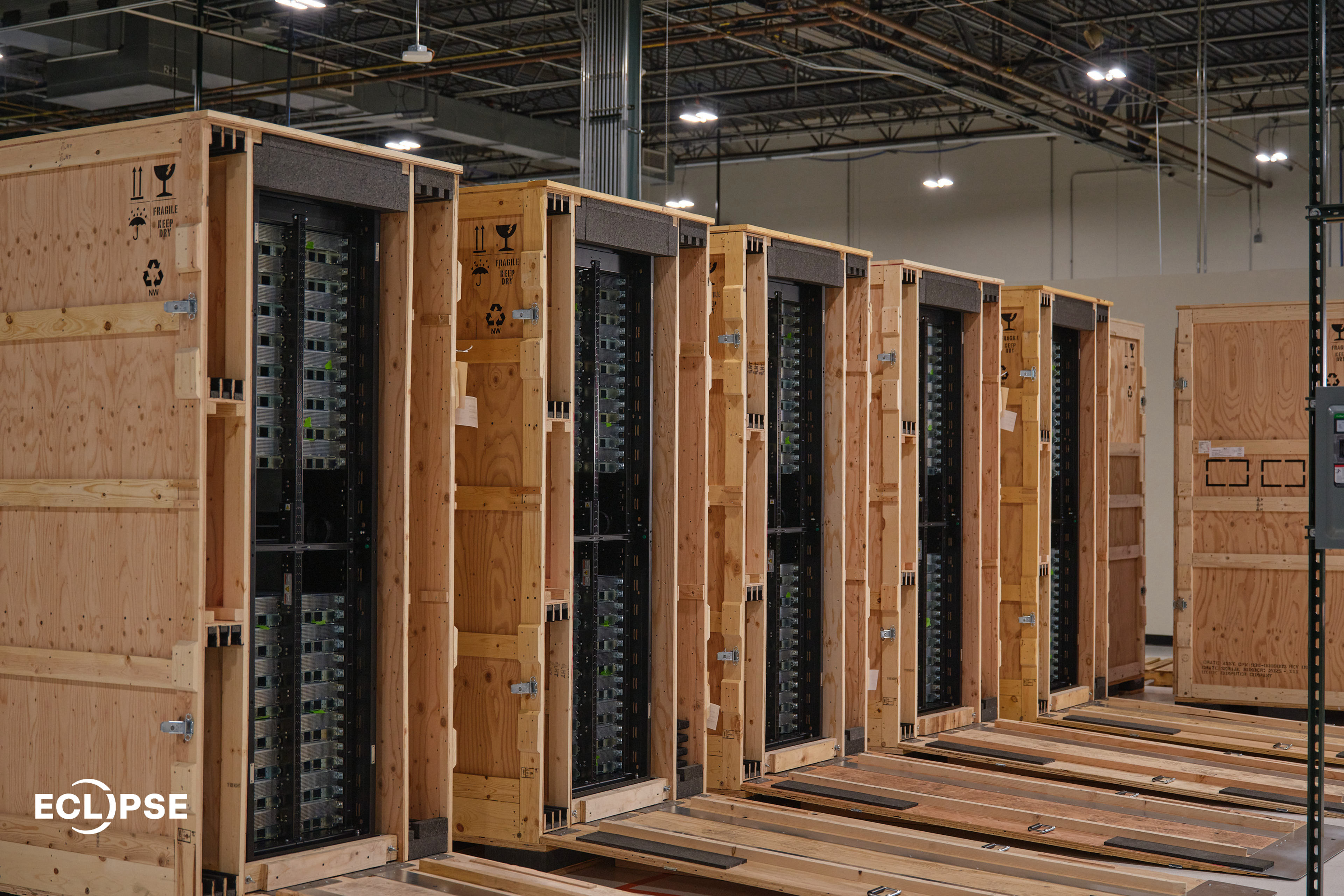
In under four years, True Anomaly has proven the viability of commercially-developed systems and helped fundamentally shift how governments partner with industry toward faster, more integrated, mission-driven capabilities. Their recent $650 million Series D is a strong signal of the market’s confidence in their strategy, and their ability to execute at scale. As a partner to True Anomaly since leading their Series A in 2023, Eclipse is proud to continue our partnership by co-leading this latest round.
As startup-led advances in propulsion, sensing, materials, and software have pushed performance forward (and a vertically-integrated approach to manufacturing makes delivering these systems at scale possible), government investment has scaled significantly to match the urgency of the domain. For 2027, the Space Force has requested $71B in funding for 2027 — up from $14B just a decade ago. No other military branch is growing at this rate.
The broader shift behind this moment is difficult to overstate. Historically, aerospace innovation was structured around incremental improvements to discrete components within large, fragmented systems. That model depended on time, coordination, and a stable operating environment. None of those conditions hold today. True Anomaly has played a major role in creating a space defense market that rewards speed, integration, and demonstrated capability.

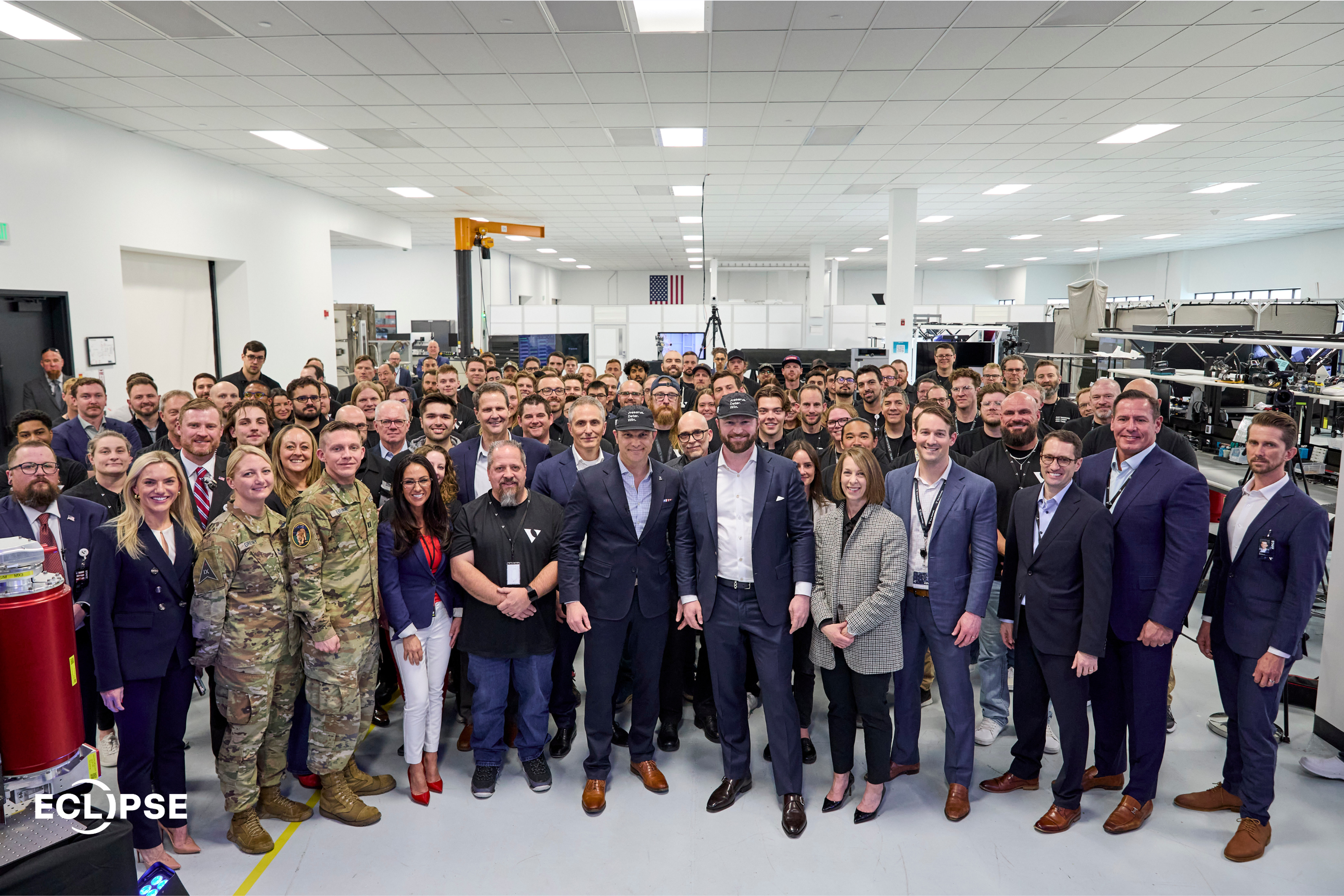
True Anomaly’s latest capital raise will support expansion across its product portfolio, manufacturing capacity, and mission execution. Over the next 18 months, the company expects to double its headcount, expand its facilities in California and Colorado, and conduct a series of deployments across multiple orbits.
This is what it takes to move from early capability to industrial scale. True Anomaly’s continued work with the Department of War (and its major capital expansion) reinforces its position as the radically different operating model for space.
But while defense is the immediate driver of this transformation, it is not the endpoint. As the infrastructure of orbit becomes more capable and more accessible, the range of opportunities of in-orbit infrastructure that can be built atop these capabilities will continue to expand.
This is how frontiers develop and thrive. First access, then capability, then expansion.
We are now moving into that third phase, and into a new dawn of the space economy. The future will be defined by those who build the systems that allow us to defend, operate in, and explore space. Every facet of that future space economy will need to be secure.
With its unequaled combination of its integrated architecture, its focus on execution, and its alignment with emerging program structures positions it to move from early capability into sustained production, True Anomaly is becoming the foundational security layer for the space economy.
At Eclipse, we partnered early with True Anomaly because we believed it was imperative for the U.S. to achieve space superiority. We continue to invest because the company continues to advance and expand its capabilities as the mission has become more urgent every day. The final frontier is no longer theoretical. It’s being built and secured by True Anomaly.
Follow Eclipse on LinkedIn or sign up for Eclipse’s Newsletter for the latest on rebuilding essential industries