In 2025, when wildfires tore through Los Angeles — one of the most industrialized, resourced cities in the world — response services couldn’t keep up. Emergency alerts lagged or were sent to the wrong areas. Water systems, built for ordinary structure fires, ran dry under the strain. The same high winds that drove the fires in the first place grounded the aircraft that might have helped contain them.
A close friend of mine lost his home in the fires and stayed with me for a few weeks after. In the conversations we had during that time, we kept coming back to the same question: How, with everything modern society has built (technology, capital, and the sheer drive to reinvent entire industries), are we left so ill-equipped while wildfires level some of the most advanced regions on the planet?
We’re both investors in Silicon Valley, working with founders building some of the boldest, most ambitious technology in the world, yet we’d told ourselves that natural disasters are a natural part of life that we can’t do anything about.
This excuse doesn’t hold up. We’ve built this kind of readiness for defense, aviation, energy, and other complex, dynamic environments where safety is paramount and speed, precision, and strategic clarity are non-negotiable. We have satellites that can spot a missile launch from orbit, sensor networks that allow us to make split-second decisions, infrastructure that balances an entire country’s power grid in real time.
Yet we’ve never aimed this capability at disasters that can and do happen somewhere, every year, without exception. Wildfires, floods, and failing infrastructure are causing catastrophic impact with increasing frequency. Every time, we look to volunteers, underfunded agencies, and heroic improvisation to fix it.
It’s impossible to predict the exact second a disaster will strike. But you don’t need to predict that exact second. You just need to have the capabilities already in position to respond when it does. A truly resilient response system isn’t assembled in the chaotic aftermath; it’s already in position before the threat even exists.
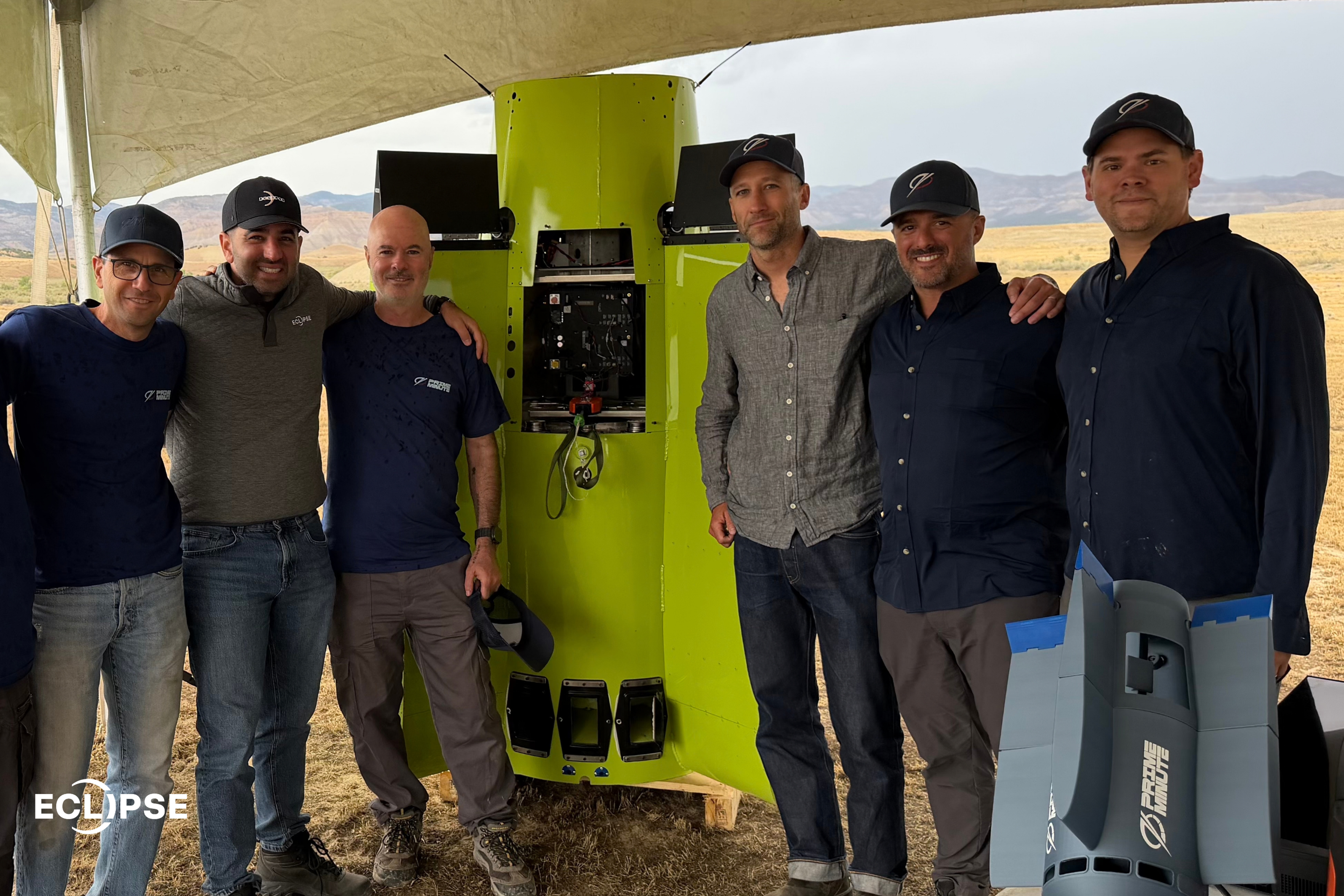
Two months after the fires, Ronen Korman and Itai Mendelson were at my house, and the three of us started sketching out what such a system could actually look like. Both Ronen and Itai were repeat founders already deeply embedded in what we call the Eclipse Economy, our interconnected ecosystem of founders, companies, customers,and talent built over the past decade. Ronen, like me, had served in the Israeli special forces before moving into technology and company-building. As my kitchen disappeared under drawings, we landed on the same conclusion that we needed a military-style approach to this problem: A tactical, systems-level discipline for threat assessment and response.
While Ronen and Itai got to work, I met with the Los Angeles Fire Department and other agencies to understand what they were working with and what they needed. What I learned: Disaster response hadn’t meaningfully changed in years, even as events become more frequent.
This is why we built Prime Minute, an entirely new type of disaster response company. Prime Minute treats the earliest moments of a disaster like an operational problem that can be engineered — not an unimaginable crisis to simply tolerate and hope doesn’t strike again. We’re proud to announce Prime Minute is emerging from stealth today with $15M in pre-seed funding led by Eclipse, with participation from 8VC.

Prime Minute is building the methodology and tactical layers to respond to fast-moving natural disasters with defense-grade capabilities. The company intends to become the prime contractor for disaster response, similar to the way a small number of indispensable organizations integrate critical technology, infrastructure, and capabilities into a single system for defense and aerospace. Prime Minute is becoming the “resilience prime” the world needs.

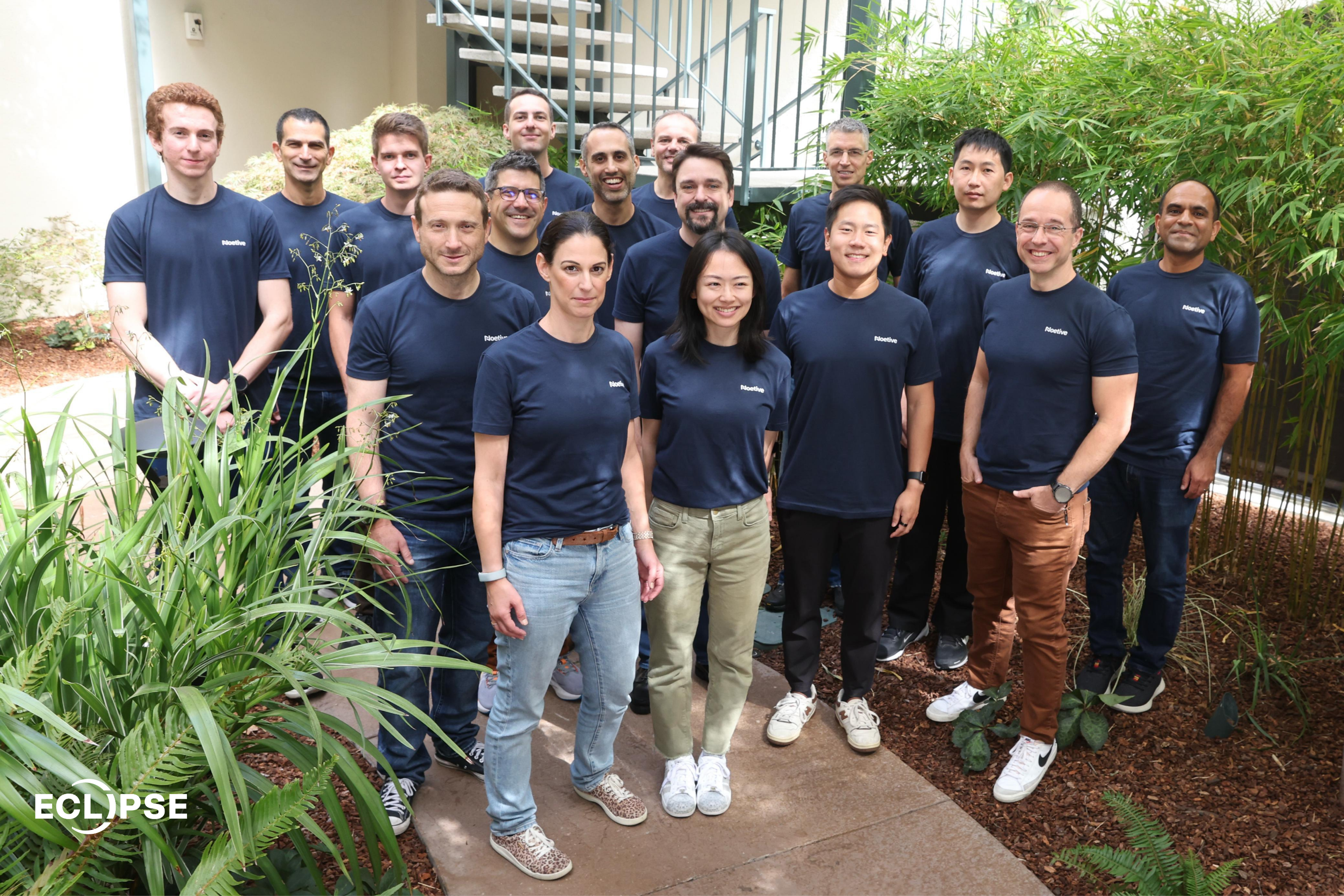
From that kitchen table, the Prime Minute team expanded to include Ovadia Malhan, Gabe Sganga, Joey Fennell, and other veterans of military special forces and the world’s top intelligence units, alongside entrepreneurs skilled in building mission-critical technology. Their combined frontline expertise across defense, aviation, firefighting, and emergency management gives the team what it takes to break down chaotic events into solvable tactical layers.
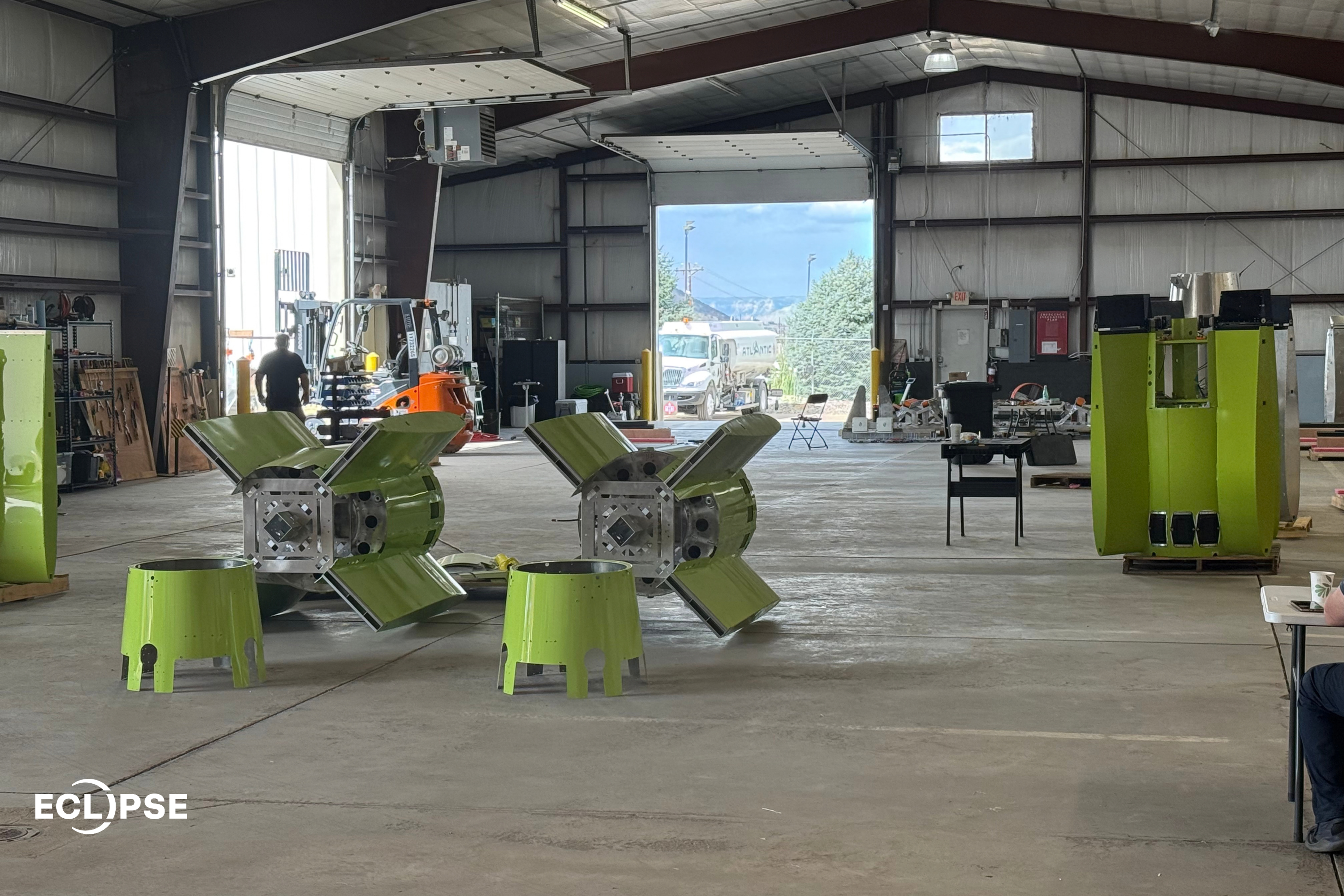
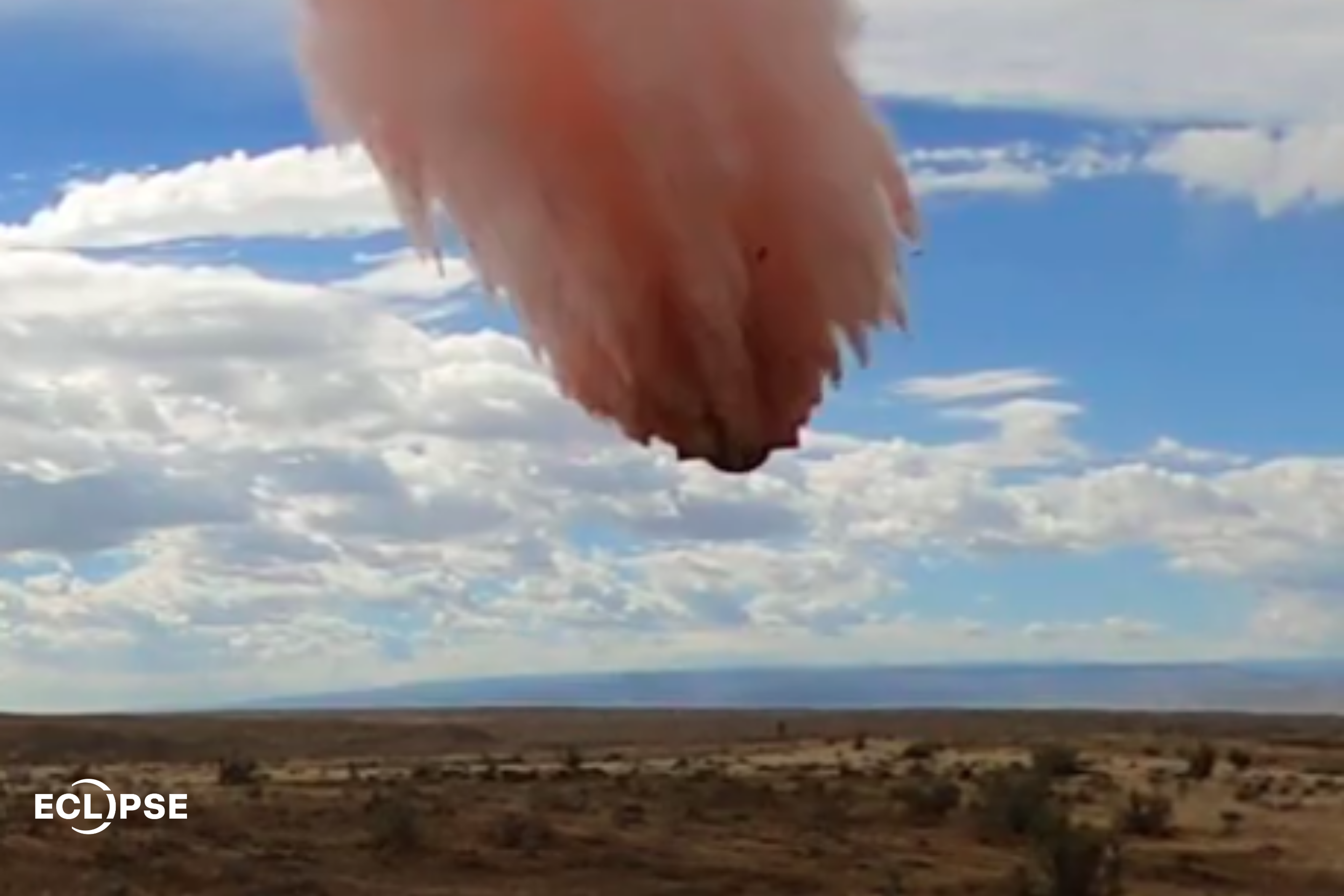
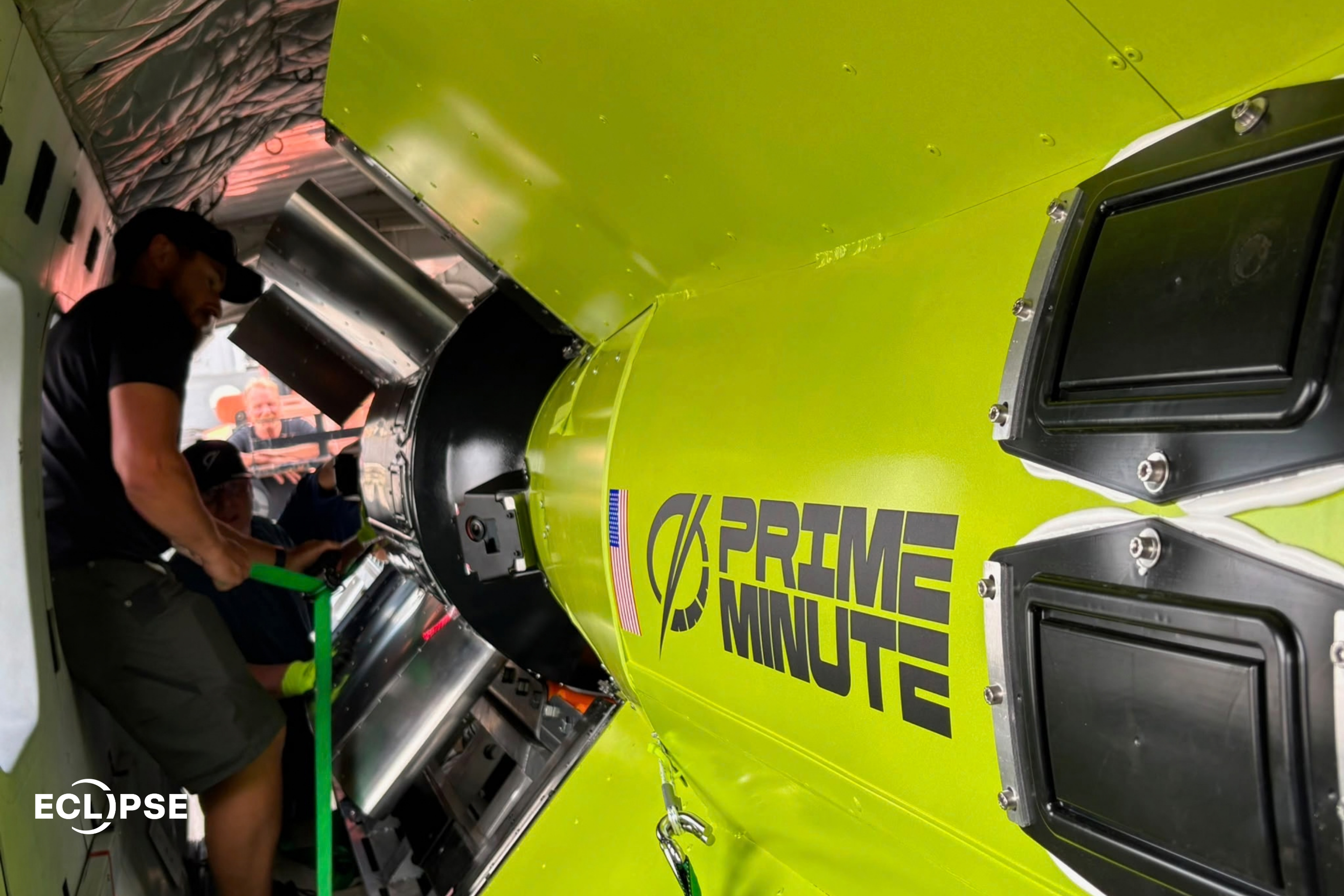
The company’s first system, the Precision-Guided Suppression Unit, integrates AI-assisted mission analysis, real-time intelligence, and precision aerial suppression. It’s built to operate under the harshest conditions (low visibility and high wind) when aircraft crews can’t fly and ground crews can’t get there fast enough. The system’s first target is wildfire, which costs the U.S. an estimated $424 billion annually in damage, evacuation, and recovery, and has recently prompted an exodus of insurers from many of the most fire-prone states. Prime Minute will deploy prototypes in the State of Colorado for field evaluation later this year.
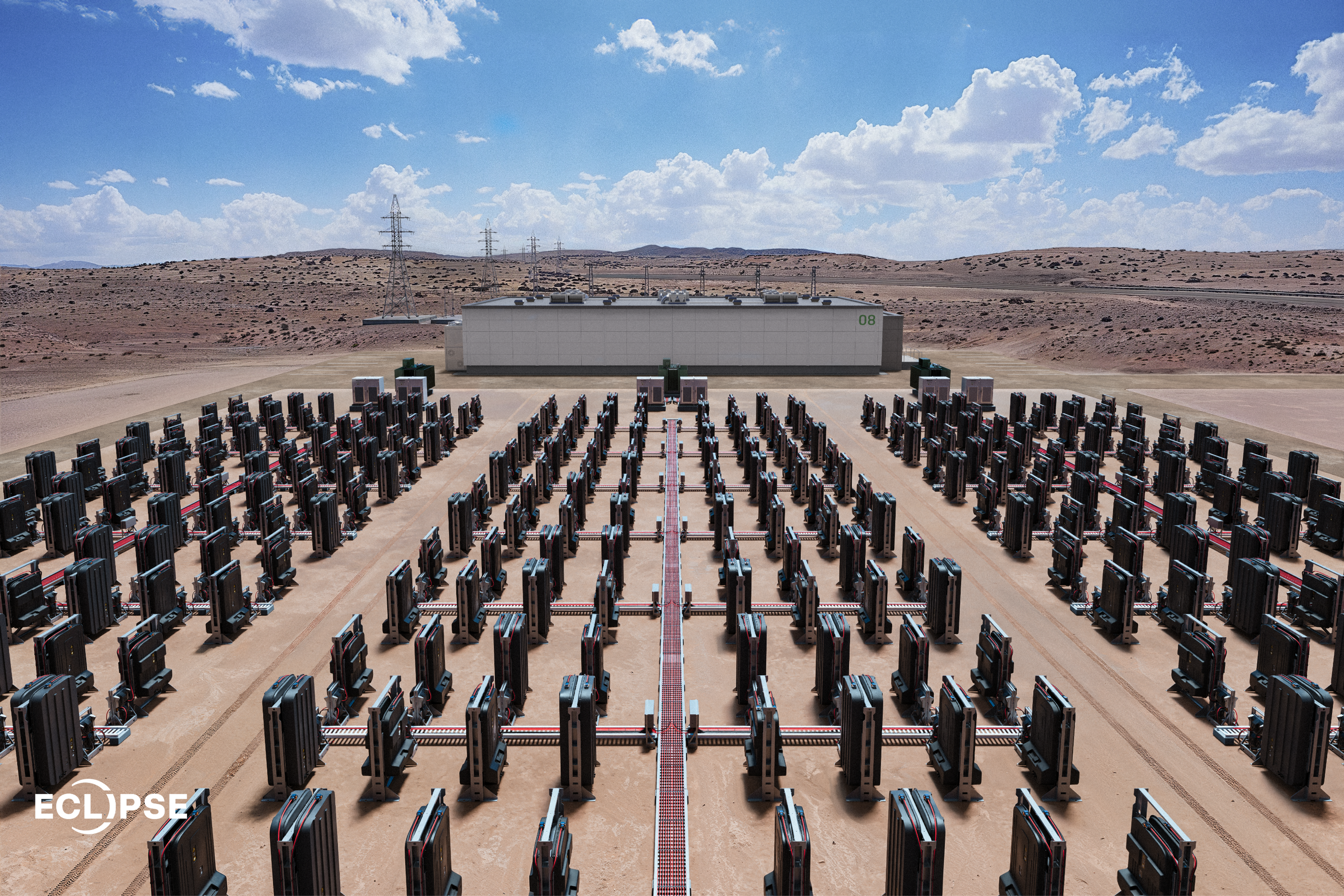
Wildfire isn’t just the starting point because of its size and impact. It’s one of the sharpest and most measurable versions of a problem that shows up everywhere and requires the same underlying capabilities to solve: Sensing a threat early, fusing signals with real-world conditions, and generating a precise response — fast. Fires, floods, and infrastructure breaks all have an extremely narrow window with which to respond with coordination action. Prime Minute is building a multi-product platform that can respond to every other type of catastrophic event, and at scale the resilience market demands. It’s a huge market, because everyone bears the cost of disaster: Insurers, utilities, municipalities, and the people who live with risk every day.

Catastrophes aren’t a freak accident; they are an everyday occurrence around the world. We’ve spent decades building extraordinary response capabilities everywhere except in the domain where disasters meet daily life.
The first moments matter most. Prime Minute is making sure we’re ready for them.
Follow Eclipse on LinkedIn or sign up for Eclipse’s Newsletter for the latest on rebuilding essential industries.