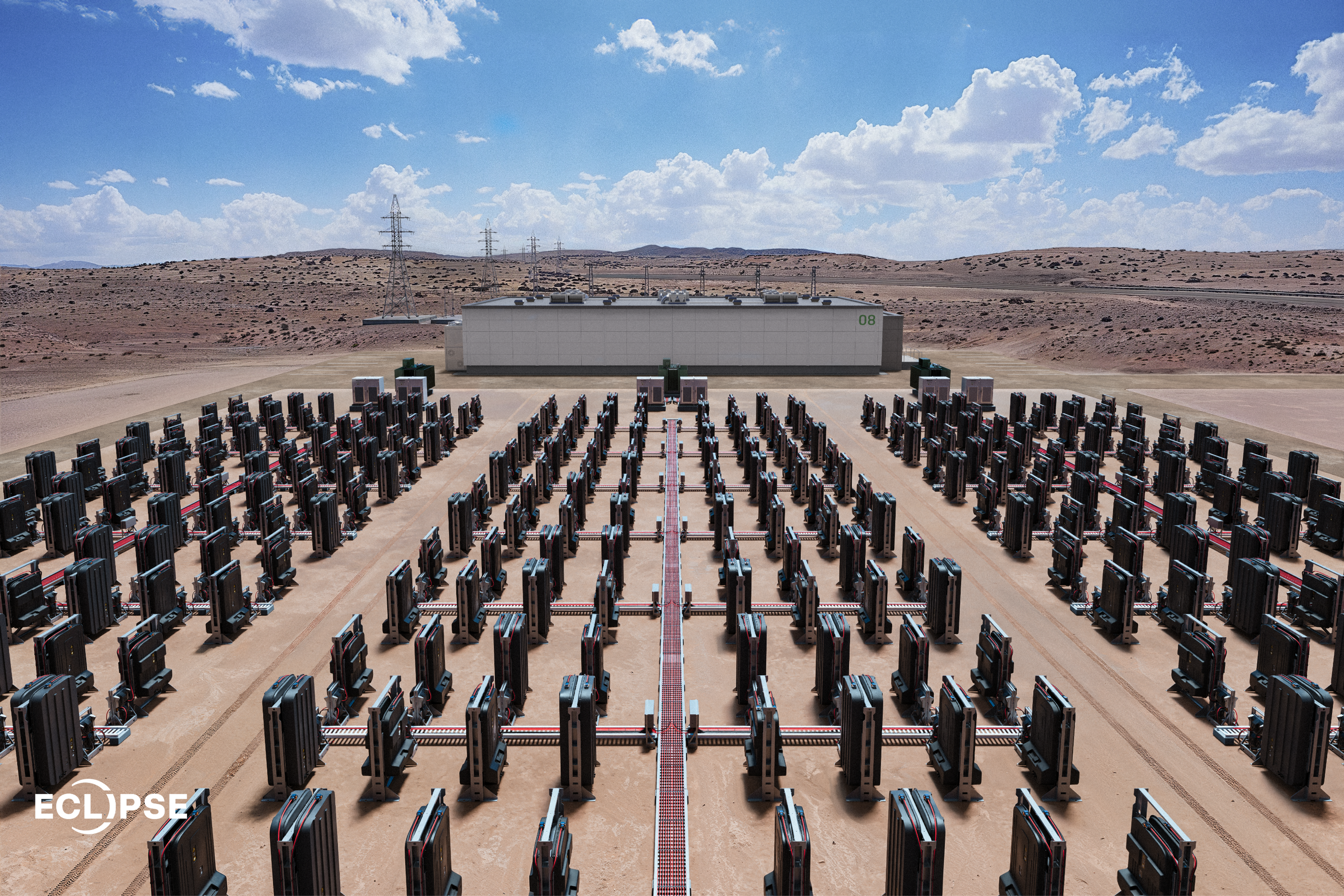
Somewhere right now, a data center that could deliver artificial intelligence to entire industries is sitting half-dark. It’s not waiting on code or chips, but on power that’s years away from the grid.
Megawatts have overtaken models as the biggest constraint on AI, and the gap is widening. Hyperscalers have requested more than one terawatt of interconnection requests, while the U.S. grid is projected to add just 40 gigawatts of new capacity by 2030.
What AI needs is specific: Firm, 24/7 electricity, dense enough to sit next to a hyperscale campus. We’ll ultimately need every source of energy, but gas turbines are the fastest deployable source of firm, dispatchable power. Unfortunately, you can’t get one on the timeline the AI buildout is actually moving.
Fifty years of chasing single-digit efficiency gains has locked incumbents into an exotic supply base that physically cannot scale: Single-crystal blade castings from two suppliers in the world, rhenium superalloy (about 60 tons of global supply a year, most already spoken for), rotor disks from fewer than 20 qualified U.S. shops. You cannot build turbines an order of magnitude faster on a foundation like that.
So Parallax is doing what the incumbents can't: Completely rethinking the engine from the ground up. By running a lower turbine inlet temperature, they design the two worst chokepoints (single-crystal blades and rhenium) out of the machine entirely, then rebuild the parts around additive manufacturing with a widely available superalloy. The result is a clean-sheet, ~10 MW gas generator with no exotic materials in it, and a supply chain that can actually scale. It's a deliberate trade: Gen-1 gives up some efficiency against the incumbents to buy that scalability, and a clear materials roadmap narrows the gap over time.
Parallax is emerging from stealth today with $117 million in funding to date, and Eclipse is proud to have co-led the $42M seed with Lux Capital, Founders Fund and Valor. Greylock and General Catalyst led the company’s $75M Series A.
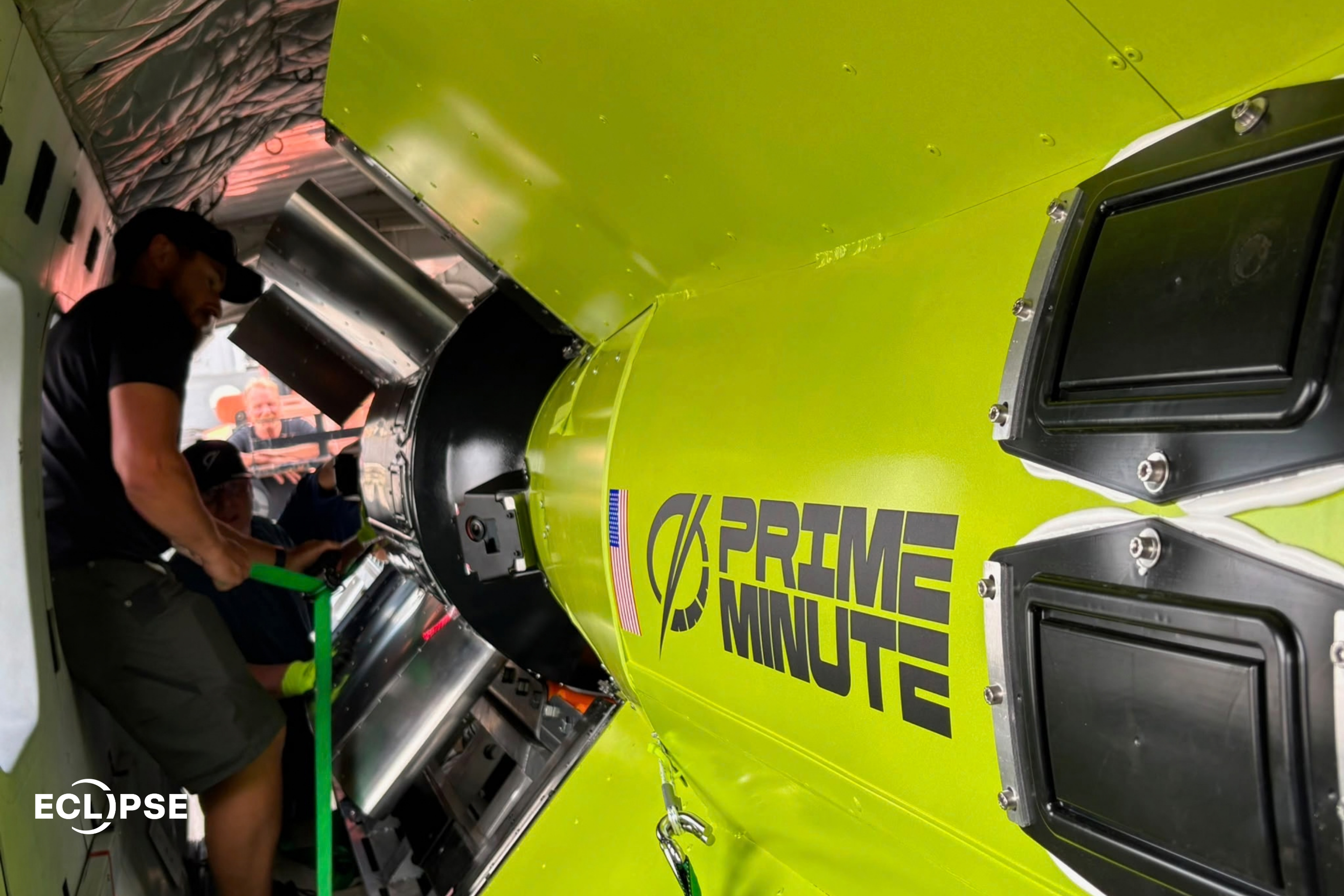
Speed first and efficiency on a schedule are Parallax’s guiding principles, and gas turbines are only the beginning. The company’s mission is to build the energy infrastructure platform for the AI era.
The instinct to delete a part rather than optimize it is the signature of some of the best builders in the physical economy. SpaceX and Tesla codified it: The best part is no part. Every component you remove is one you never have to source, qualify, inspect, or wait on. Simplification isn't an engineering preference; it's the only way to compress a timeline, as we’ve seen numerous times across the Eclipse Economy: Ursa Major collapsed three castings and ten forgings from separate vendors into a single printed part, and took combustion chamber production from six months to one. Mytra uses software to remove mechanical complexity from its warehouse automation platform. Skyryse’s autonomous helicopter cockpit has more than 180 fewer mechanical components than a standard helicopter cockpit.
Parallax is doing this to the turbine: They’re getting part count of the critical sub-assemblies down by roughly three orders of magnitude, while getting the pool of suppliers who can make them up by two.

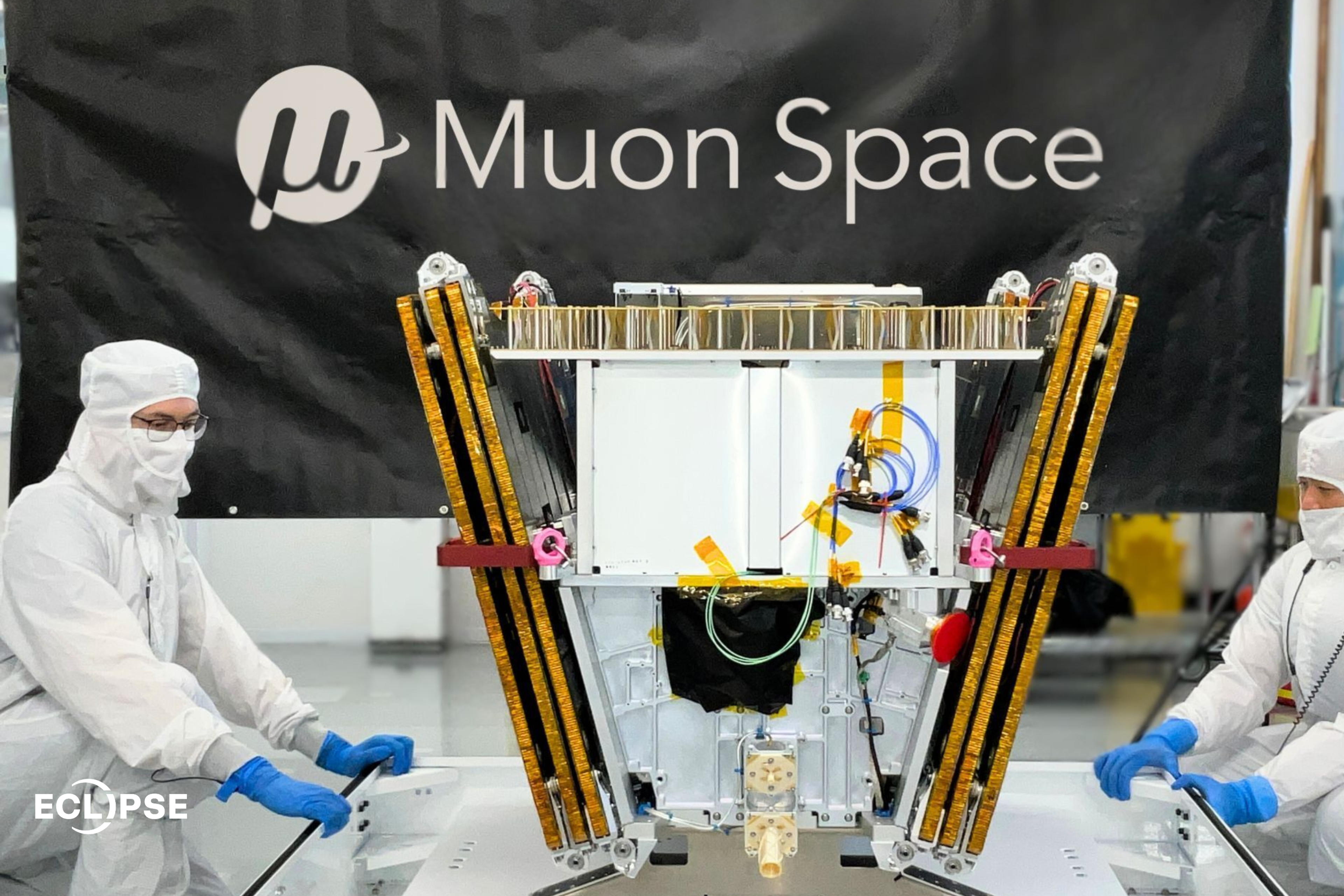
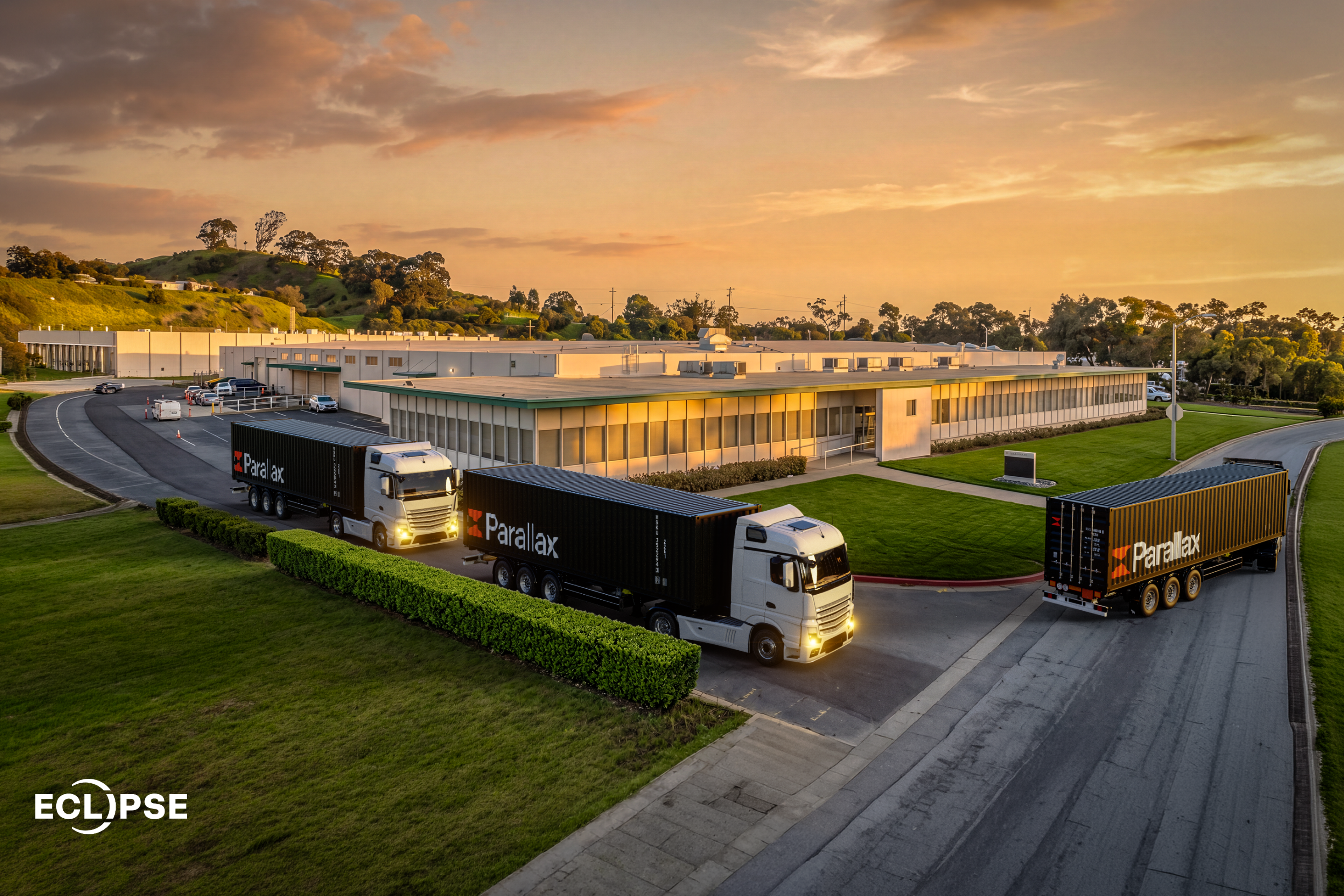
A thousand times fewer parts is much more than an efficiency gain. It's a different manufacturing reality. Founded in early 2026 by serial hardware entrepreneur Carl Schoeller, Parallax is currently building its manufacturing headquarters in California. The company is working with additive manufacturing companies like VulcanForms to develop components, and in conversations with hyperscalers to guide design. Parallax aims to have its first prototype up and spinning by the end of the year, and intends to start shipping turbines to early customers in 2028.
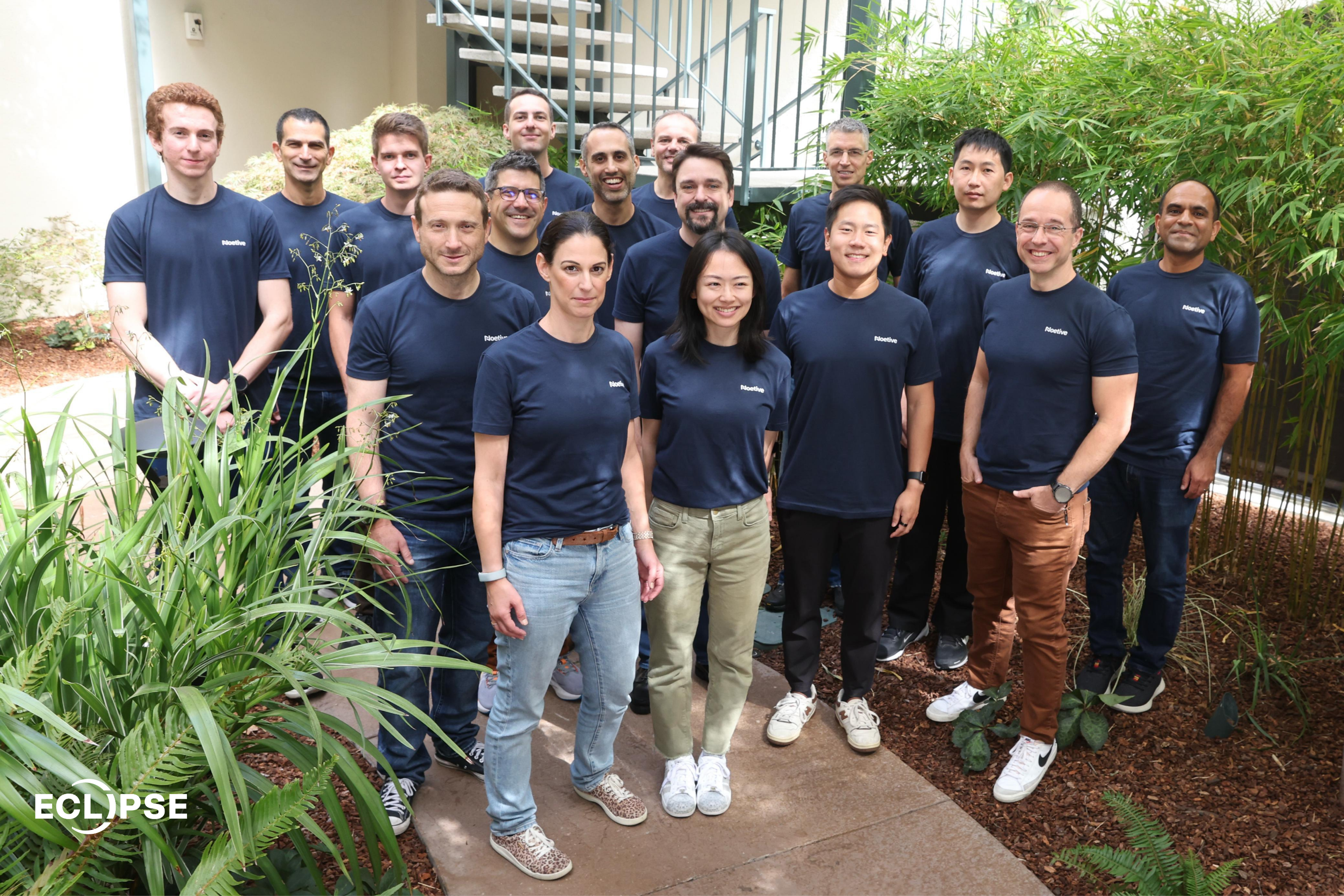
The growing team has already built and shipped hardware at scale, owning the end-to-end process companies like SpaceX, Tesla, Apple, Anduril, Relativity, and VeloD, and shipping parts for everything from submarines to spacecraft. They’ve spent their careers compressing the distance between blueprint and shipped hardware, and they are now pointed at one of the defining challenges of our time.
When I meet teams with this kind of vision, I’m reminded of the moment years ago that sparked my obsession with reinventing physical industries. I stood in an empty field in China and was told a world-class factory would be running on that site in nine months. I didn't believe it. Nine months later, it was there. In the years since, I’ve been backing and building alongside people who make impossible build speeds look ordinary.
Without energy, we have nothing. Expanding domestic power has been core to Eclipse since our inception, and we back companies at every link of that chain: Energy storage with Peak Energy and Antora, clean firm power with The Nuclear Company, next-generation solar with Tandem PV, the full-circle battery lifecycle with Redwood Materials, and now, generation with Parallax.
We’re only just started deploying digital intelligence at a meaningful level, and the U.S. electrical grid is already buckling under demand. Imagine our energy needs when physical AI starts to hit industrial scale. That power supply and demand gap doesn't close on its own. It closes because a handful of teams like Parallax build the machines that close it.