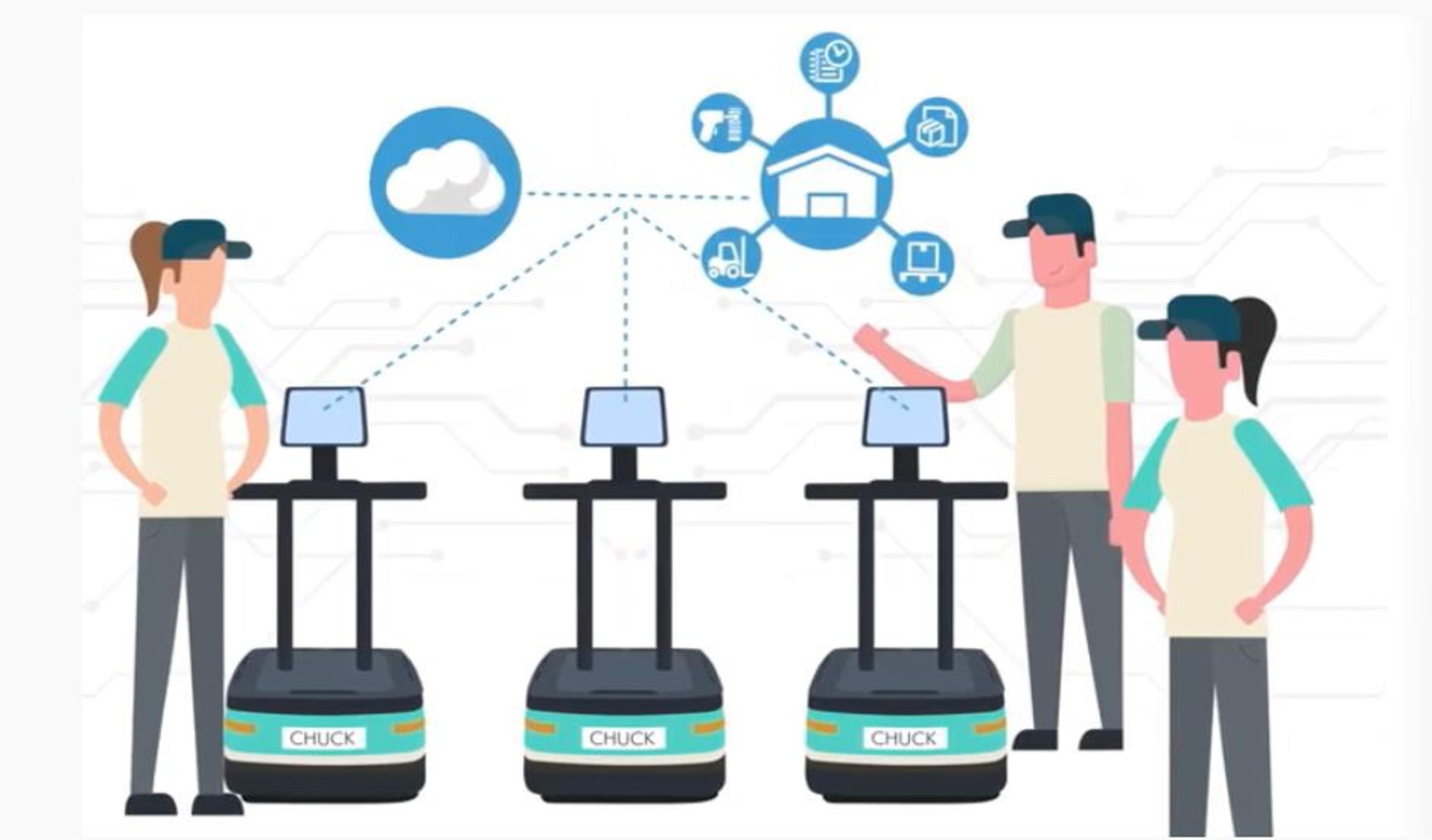
Collaborative robotic solutions are safer, smarter, and more efficient than ever. They’re also the perfect partners for human workers.
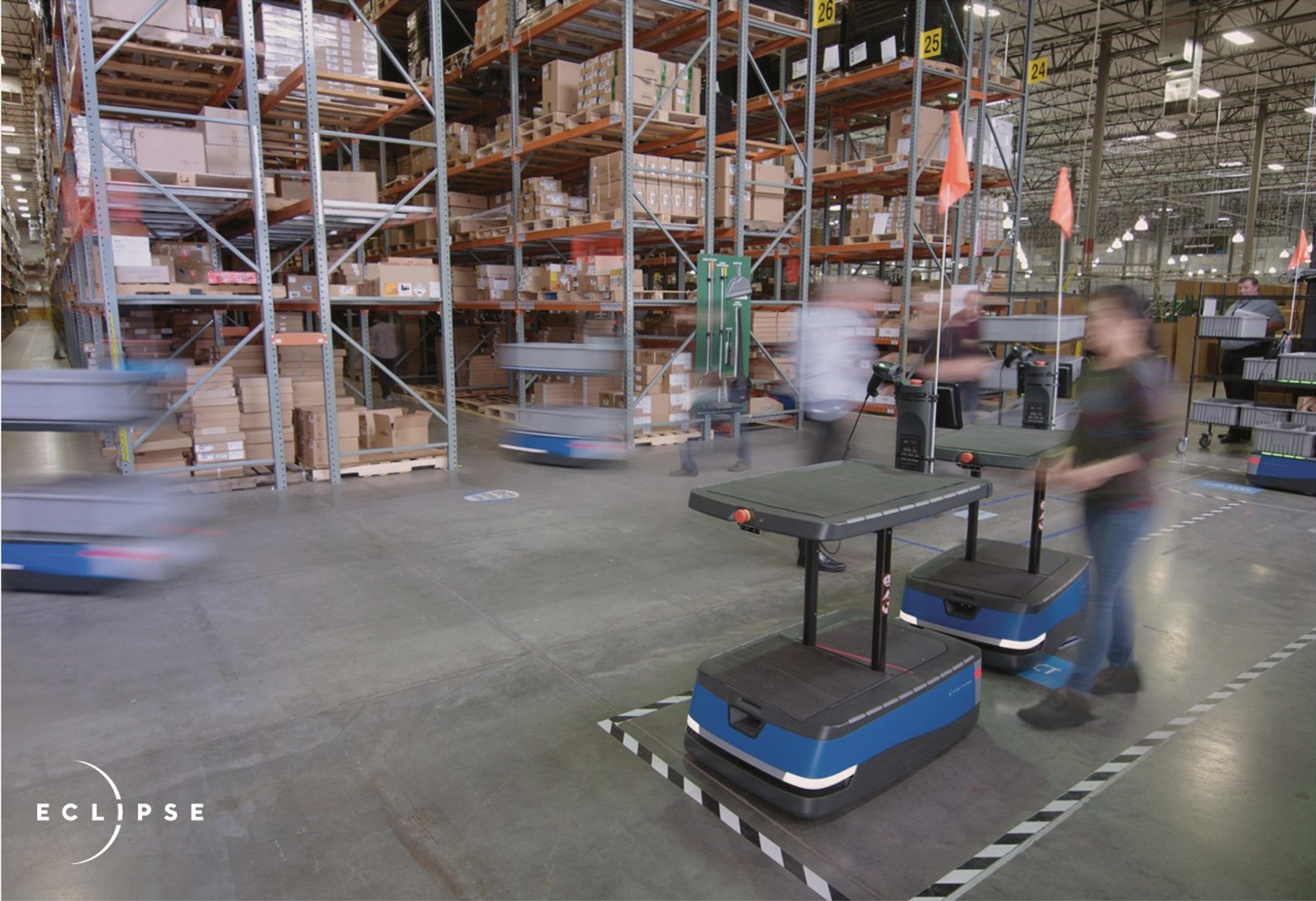
There is a new reality in the world of robotics: commercial viability. Robots are moving beyond cages into less controlled environments where they are doing varied work safely, reliably, and at a cost basis that makes economic sense. The media devotes a disproportionate amount of attention to “holy grail” applications like autonomous vehicles and flying cars. However, real businesses will be built in the next five years by those who leverage the strengths of robotics to deploy practical, full-stack solutions into more controlled environments where work can be done reliably and economic value created. I believe retail fulfillment is an ideal environment in which to deploy these types of focused autonomous solutions.
E-commerce shifts the supply-chain model
Traditional retailers and third-party logistics companies have designed their supply chains around distributing cases containing large quantities of the same item to brick-and-mortar locations. The bulk deliveries are unpacked and shelved by store associates and customers travel to the store to make their selections. E-commerce shifts this model substantially, putting much of the burden of fulfilling a customer’s purchase on the fulfillment operations.
And what a burden it is. E-commerce fulfillment requires more individual picks and touches than traditional fulfillment in order to ship more individual total parcels to customers from the fulfillment center (FC). Here’s what the typical E-commerce workflow looks like:
● Pallets stacked with cases are delivered to FCs and de-palletized
● Each case is opened and its contents are processed, picked and shelved
● After a customer submits an online order, FC associate #1 picks individual items from shelves and processes