I’ve been fortunate to spend my career working across the major technology shifts of the past three decades. I’m proud to have played a part bringing those transitions to life.
As an engineer since the 1990s, I’ve had the opportunity to work on architectures, systems and products ranging from consumer electronics to distributed systems, and AI and machine perception. I’ve developed the underlying technology and helped commercialize the products that eventually define eras — from Smartphones to Smart Speakers (Amazon Echo), and AR/VR. In the past decade-plus, I’ve been focused on developing and deploying the core technologies, primarily focused on AI and machine perception that will power the next generation of human-centric compute.
Each of these chapters marks a profound shift in the way the world operates. When the dominant underlying technology platform evolves, entire industries are reshaped, and society fundamentally changes on a cultural and economic level.
Nothing in recent memory — not the internet, not smartphones, is set to change the way we live and work quite like AI.
Yet, as astounding as AI’s mark on information workers and the digital realm has been, its impact on the physical economy can be exponentially greater.
AI has progressed to a state where we should fundamentally reimagine how the physical world operates. We’re only beginning to scratch the surface of what AI can do to improve the critical systems that power our infrastructure, produce our food, manufacture and move our goods, and much more. We are at a historical inflection point.
Every industrial revolution has, in some sense, been about automating muscle, freeing human hands from physical labor. Robotics and embodied AI are the continuation of that arc. But what’s different now is that we can also automate cognition. For the first time, intelligence itself can be deployed at scale, wherever it’s needed.
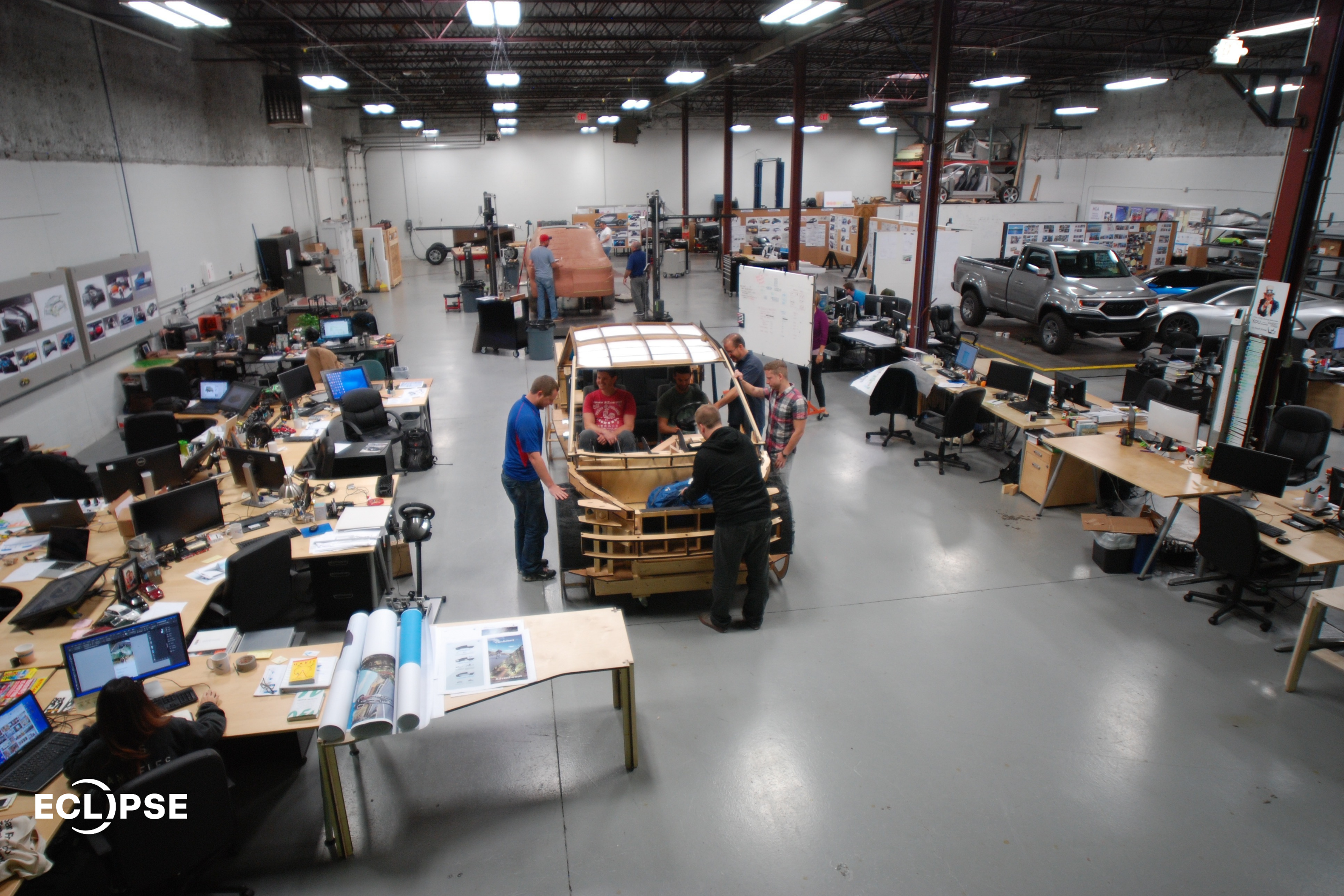
I’ve known the Eclipse team for nearly a decade. Over the years, I’ve watched them consistently lean into problems that others avoid. As former operators, they bring a maniacal focus and attention to the craft of company-building that I have rarely seen elsewhere. Their thesis around transforming physical industries has only become more compelling in the age of AI.
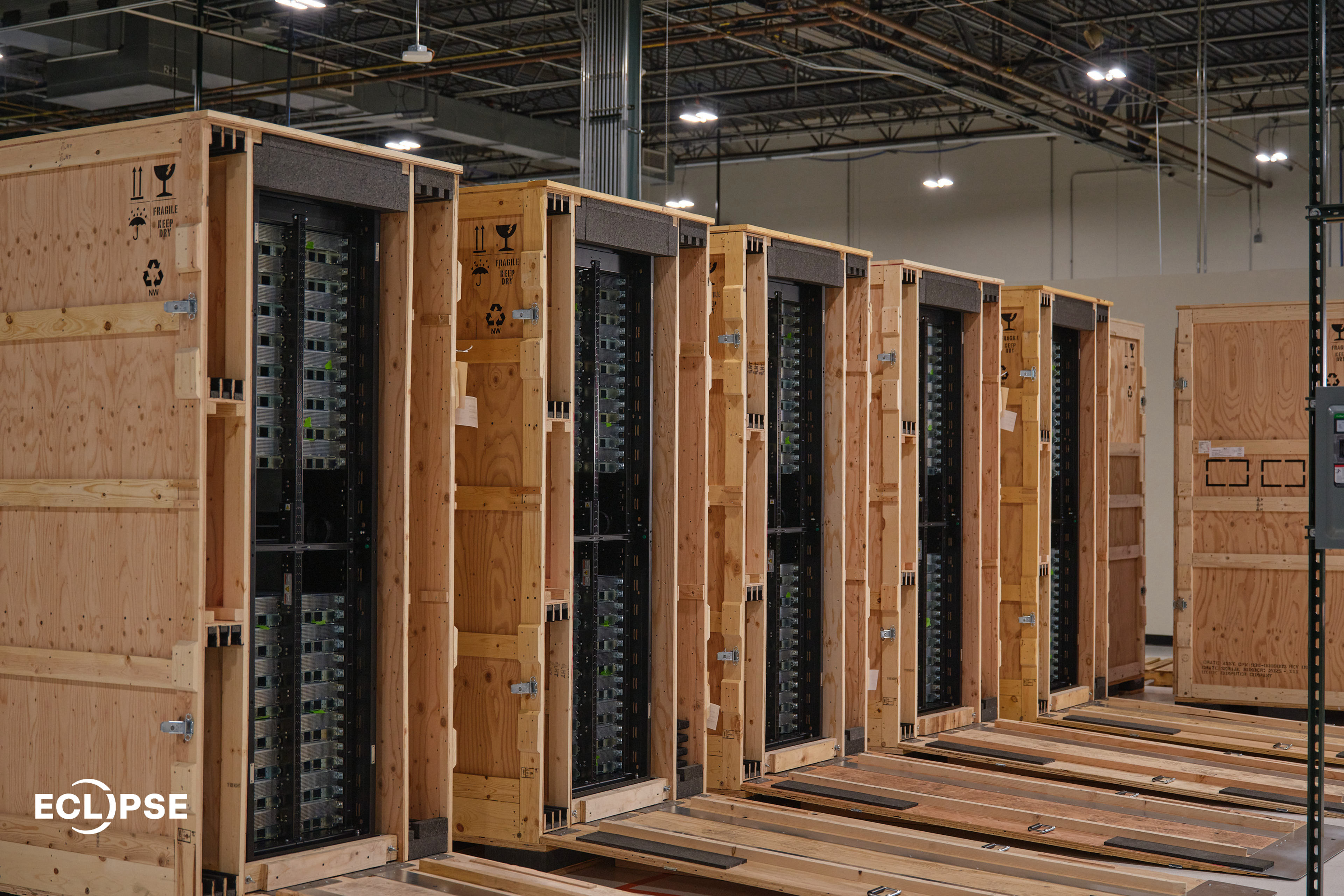
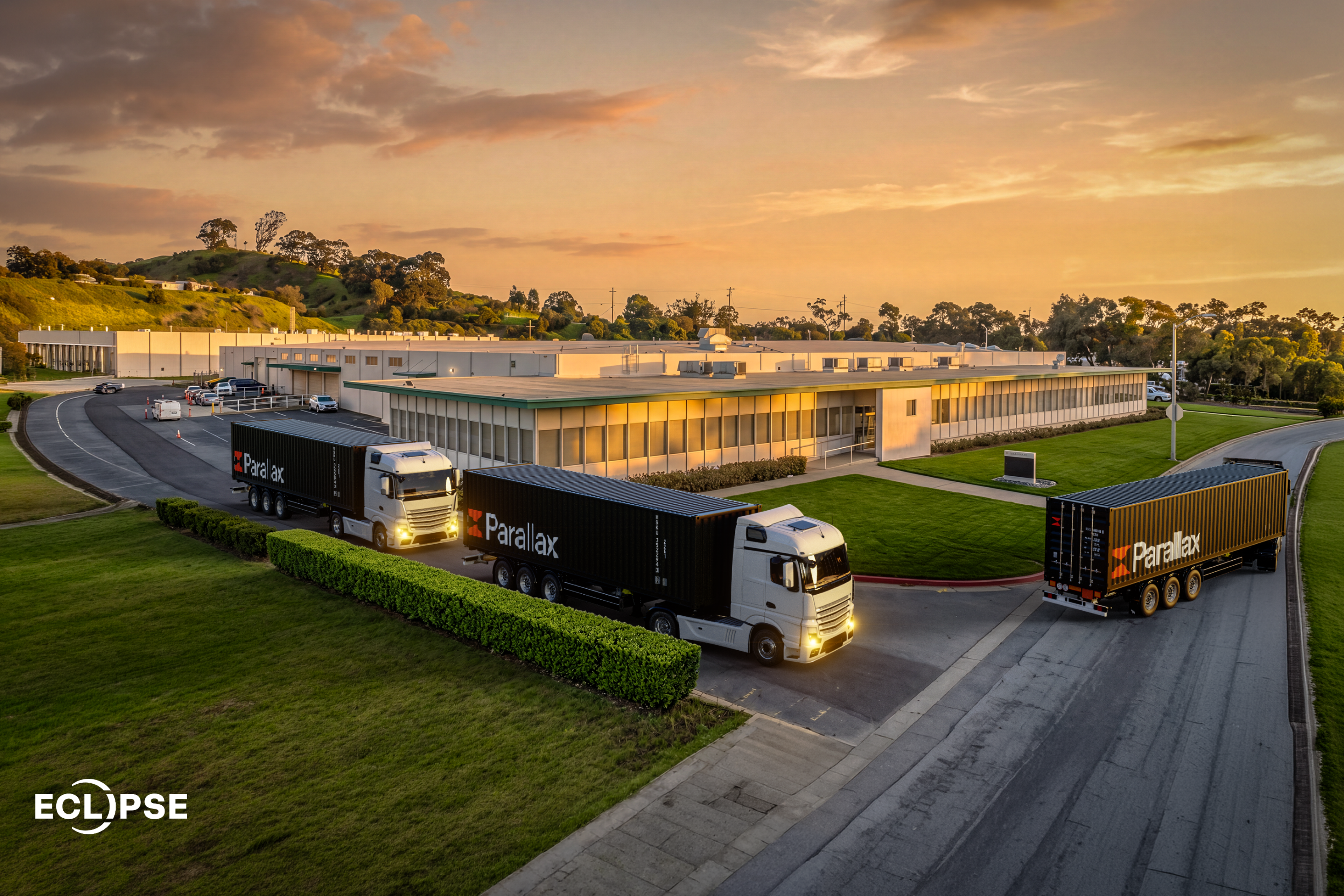
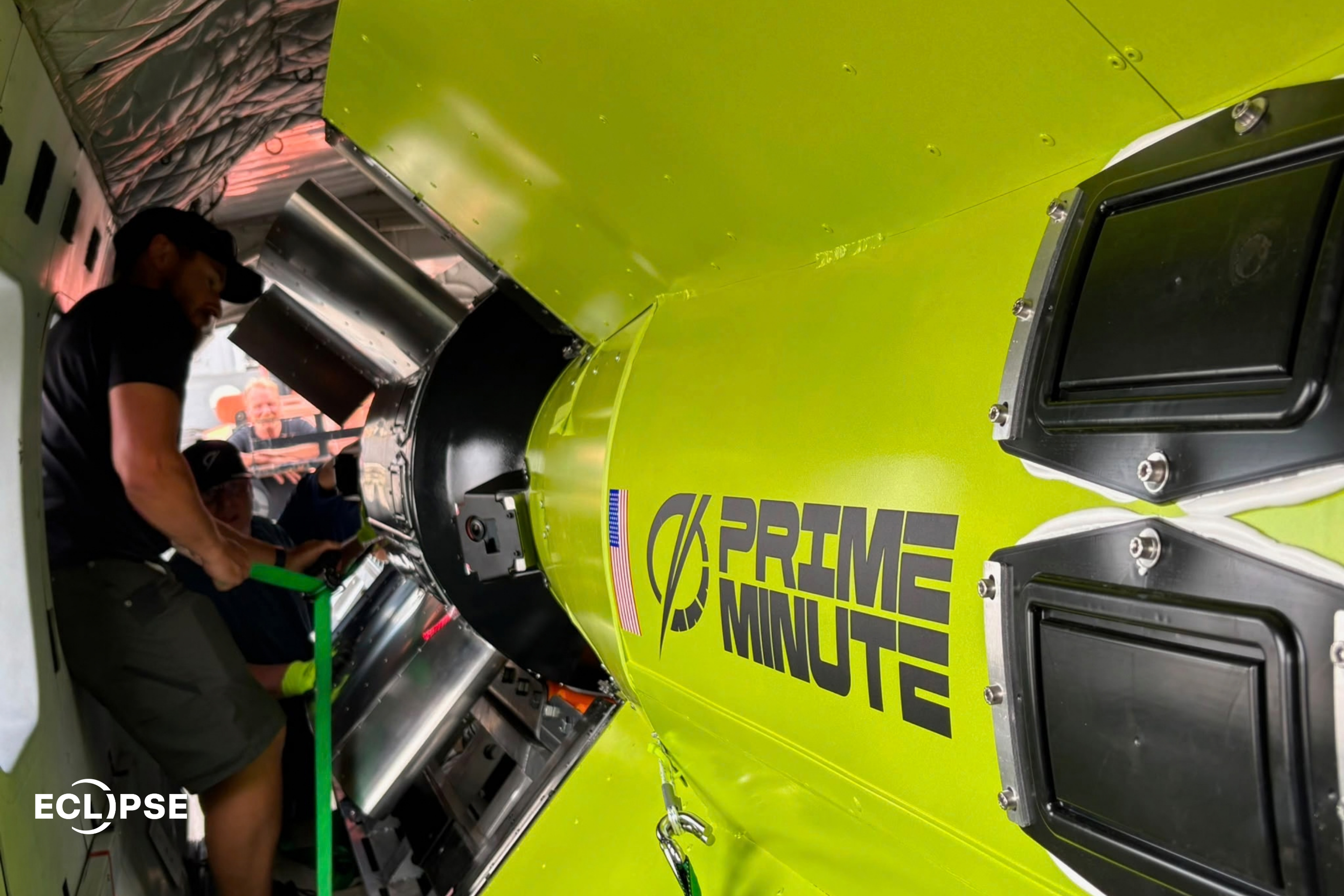
The founders working with Eclipse are already pushing in this direction. They are bringing intelligence into supply chains, manufacturing, logistics, and critical infrastructure. These are not incremental improvements. They are foundational shifts in how entire industries function.
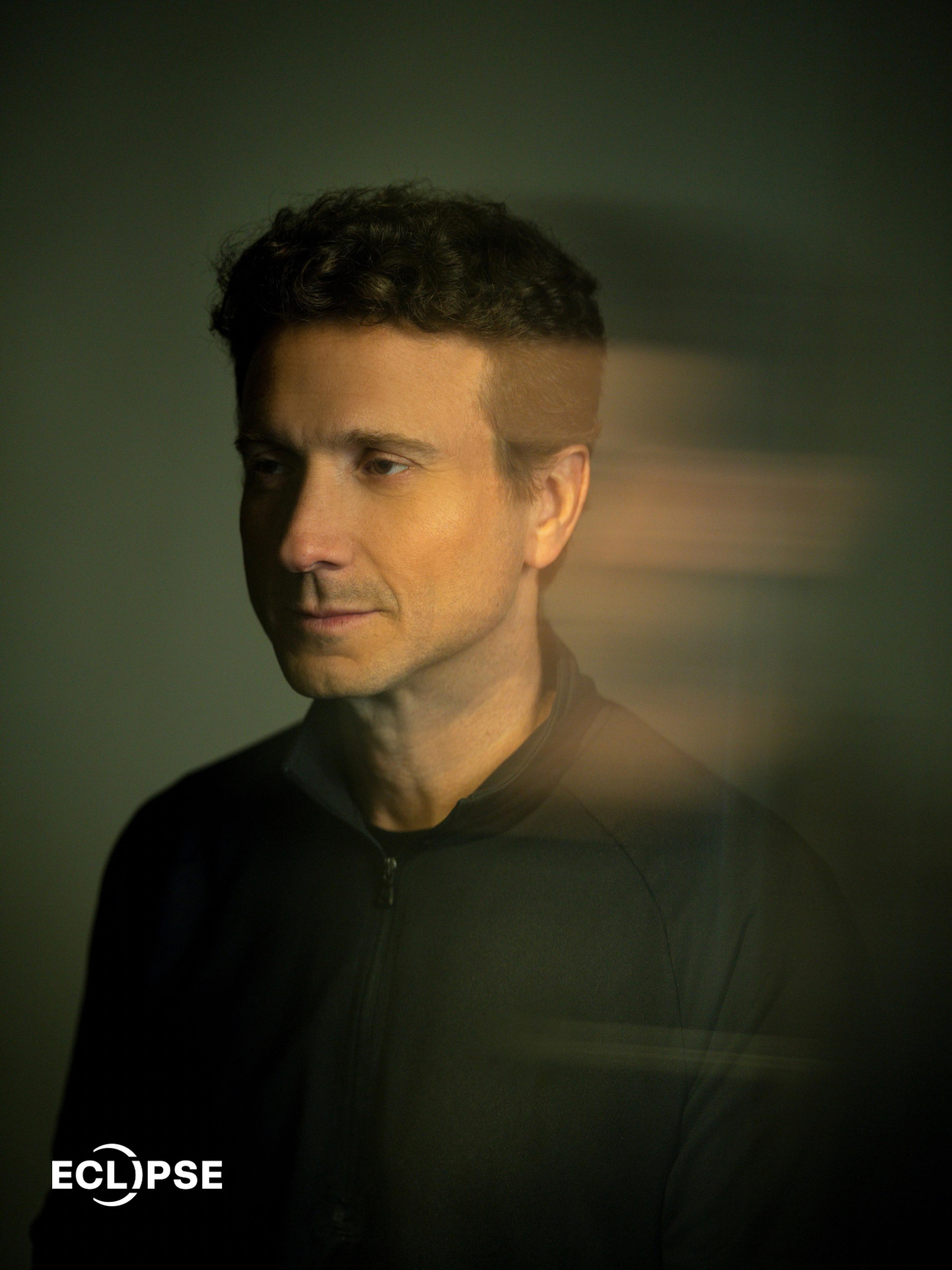
Joining Eclipse as its first Chief AI Officer is an opportunity to build and accelerate that shift. I'll work directly with founders on AI strategy, product direction, and how to win — and keep winning — as the market gets more crowded. In addition, I’ll partner closely with the Eclipse investment team, performing diligence on AI-driven companies.
Just as importantly, I'll be working to make Eclipse itself an AI-native firm, adopting the best tools and practices and genuinely rethinking how we work. The goal is to showcase what a small, focused team can accomplish when AI fundamentally changes how work gets done.
Eclipse's approach to co-building companies from inception is rare, and it aligns deeply with how I think about turning ideas into reality — taking a first-principles, clean-sheet approach to solve old problems in new ways.
I am a builder at heart, and I'll be doing exactly that, building a new company from the ground up in partnership with Eclipse Venture Equity.
It’s one thing to talk about the future. It’s another to actually build it. What makes Eclipse unique is that it does both. Their track record in these complex, physical industries demonstrates their willingness to go all the way down into the hardest problems, and to stay there long enough to get them right. In a world that often optimizes for speed and surface area, that kind of focus is rare.
And it’s exactly what this moment in AI demands.
We are still at the very beginning of what it means to deploy intelligence at scale in the physical world. The tools are improving rapidly, but the real work lies ahead in integrating them into systems that are complex, safety-critical, and deeply embedded in how our world functions.
That's the work I'm excited to do, and I'm thrilled to be doing it with Eclipse. Day one starts now.
Follow Eclipse on LinkedIn or sign up for Eclipse’s Newsletter for the latest on rebuilding essential industries